
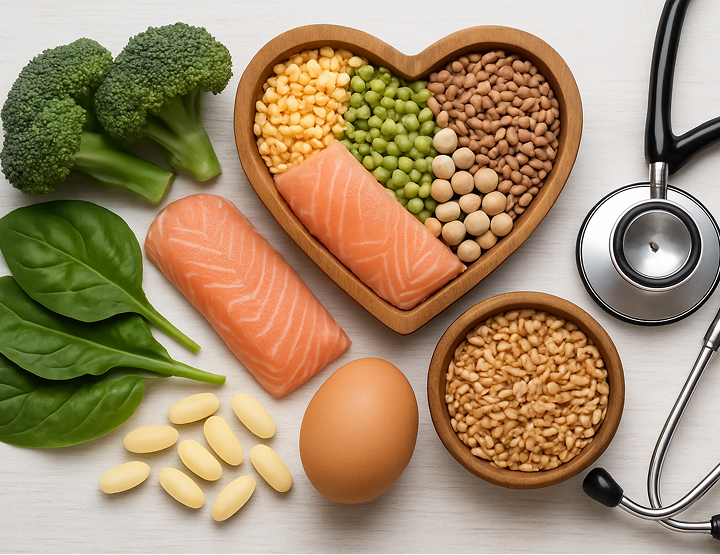
Homocysteine is an amino acid produced in the methylation cycle. Elevated homocysteine is a proven independent risk factor for cardiovascular disease, cognitive decline, and pregnancy complications.
Why Homocysteine Matters
Risks associated with elevated homocysteine (>10 μmol/L):
- Endothelial dysfunction.
- Oxidative stress.
- Enhanced clotting risk.
Homocysteine Studies Collaboration (JAMA, 2002) found every 5 μmol/L increase corresponds to ~20% higher cardiovascular risk.
Optimal Ranges
For optimal health:
- <8 μmol/L: low risk.
- 8–10 μmol/L: mild elevation.
- >10 μmol/L: increased risk—requires intervention.
Causes of Elevated Homocysteine
- Low B6, B9 (folate), B12 intake.
- MTHFR polymorphisms (especially C677T).
- High methionine diet.
- Kidney dysfunction.
Dietary and Supplement Strategies
✅ B Vitamins:
- Methylfolate (800–1,000 mcg daily).
- Methylcobalamin (1,000 mcg daily).
- P5P (B6) (50 mg daily).
✅ Betaine/TMG:
- Supports remethylation pathways.
✅ Riboflavin:
- Helps those with MTHFR mutations.
✅ Foods to Emphasise:
- Leafy greens (folate).
- Eggs and meat (B12).
- Beans and lentils (B6).
Testing and Monitoring
- Re-test homocysteine 8–12 weeks after intervention.
- Consider genomic testing if persistent elevation.
Conclusion
Lowering homocysteine is an accessible, impactful way to protect your cardiovascular and cognitive health.