
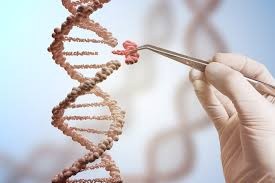
You may have seen headlines saying “CRISPR slashes ‘bad’ cholesterol by 95%”. It sounds like science fiction: a one-off infusion that permanently lowers cholesterol instead of a lifetime of tablets and injections. So what’s real, what’s hype, and how close is this for people here in New Zealand?
What are these new CRISPR cholesterol treatments?
Most of the action is happening in the liver, where your body makes and clears cholesterol and triglycerides. A handful of genes (like PCSK9 and ANGPTL3) act as “master switches” for LDL (“bad”) cholesterol and triglycerides. People who are born with gentler versions of these genes naturally have lower cholesterol and lower heart-disease risk. ClinicalTrials
CRISPR-based therapies aim to turn these switches down once, using a tiny fat droplet (a lipid nanoparticle) to deliver the gene-editing tool to liver cells. The hope: one treatment that keeps LDL and triglycerides lower for many years.
What has actually happened in humans so far?
This is no longer theoretical:
- A recent Phase 1 trial of CTX310 (a CRISPR-Cas9 therapy targeting ANGPTL3) in 15 adults with difficult-to-control lipids showed that a single IV infusion cut both LDL cholesterol and triglycerides by about 50–60% at the highest dose, with effects persisting for at least 60 days so far. American Heart
Association+2Cleveland Clinic+2 - A separate program, VERVE-101, uses a newer technique called base editing to “switch off” the PCSK9 gene. Early human data from the heart-1 trial show LDL reductions of ~39–55% in higher-dose groups, with the best-responding participant maintaining about a 55% drop for six months on current follow-up. vervetx.com+1
Those big “up to 95%” numbers you may have seen mostly come from earlier lab and animal work and from related gene-silencing approaches—impressive, but not yet the norm in larger human trials. SingularityHub+1
Importantly, regulators ask companies to follow people for up to 15 years after gene-editing treatments, not because we expect it to take 15 years to reach clinics, but to carefully watch for late side-effects. WIRED+1
How far away is this in real life?
The short answer: already here in small human trials; routine use is a multi-year process, but not decades away if everything goes well.
- These first trials are Phase 1 – focused on safety and whether the biology “does what it says on the tin”.
- Next come larger Phase 2 and Phase 3 trials to confirm long-term safety and whether early cholesterol drops translate into fewer heart attacks and strokes.
- Along the way, regulators will weigh up cost, safety, ethics, and how these compare to existing therapies like statins, PCSK9 injections, and newer oral drugs.
So it’s reasonable, as some cardiologists are saying, to view these as “close” in the sense that they’re already being given to real people – but still several steps away from everyday use in standard practice.
New Zealand – and Christchurch – are already on the map
New Zealand has taken a leading role:
- The first in-body base-editing trial for high cholesterol (VERVE-101) began here, with participants recruited in Auckland and Christchurch. This study enrols adults with familial hypercholesterolaemia (a genetic, very high-risk form of high cholesterol) and established heart disease, testing whether a one-off infusion can durably lower LDL by switching off PCSK9. technewslit.com+1